The Bahamas, an archipelago with a rich tapestry of history and culture, offers a journey through time for those anchored at Hurricane Hole Superyacht Marina. From the tales of pirates to the struggles for freedom and independence, the islands are steeped in stories waiting to be discovered. For history enthusiasts docking at Hurricane Hole Superyacht Marina, the best marina for superyachts, the proximity to several significant historical sites presents an opportunity to delve deep into Bahamian history.
Unearthing the Past: The Pirates of Nassau Museum
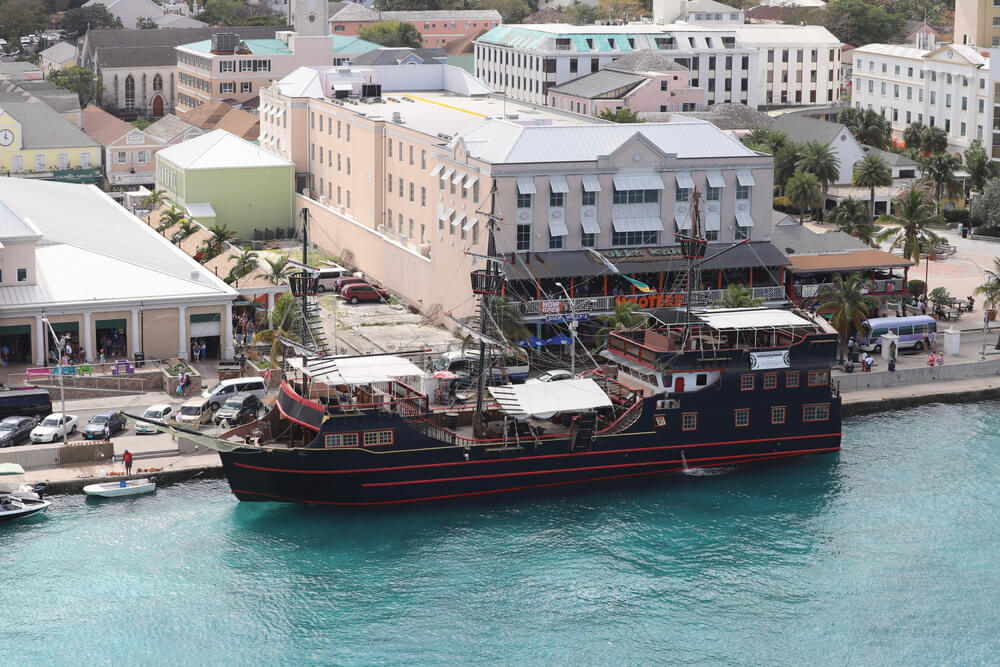
The Pirates of Nassau Museum offers a compelling glimpse into the golden age of piracy. Situated in the heart of Nassau, a short distance from Hurricane Hole Superyacht Marina, this interactive museum brings the thrilling era of pirates to life. Visitors can explore a replica of the pirate ship “Revenge” and learn about infamous pirates who once roamed these waters. The museum vividly portrays the impact of piracy on Caribbean history and how Nassau became known as the ‘Pirate’s Republic.’
The museum’s exhibits are not only educational but also interactive, providing an immersive experience into the world of 18th-century piracy. From the sounds of clashing swords to the tales of treachery and treasure, the Pirates of Nassau Museum is a must-visit for anyone interested in the adventurous side of Bahamian history.
The Heritage of Colonial Architecture: Fort Fincastle and Fort Charlotte
Fort Fincastle and Fort Charlotte, two of Nassau’s most prominent historical landmarks, stand as reminders of the colonial past of The Bahamas. Fort Fincastle, built in 1793, and Fort Charlotte, completed in 1819, were constructed to protect Nassau from pirates and invaders. These forts provide panoramic views of the city and the harbor, offering a strategic vantage point that was crucial during their operational years.
Visitors can explore the dungeons, passageways, and cannons of these forts, gaining insight into the military history of The Bahamas. The architecture of Fort Charlotte, with its moat, drawbridge, and ramparts, is particularly impressive, showcasing the engineering skills of the era.
The Rich Culture of The Bahamas: The National Art Gallery
The National Art Gallery of The Bahamas, located in a beautifully restored neoclassical villa, is a testament to the rich artistic heritage of the islands. The gallery features an extensive collection of Bahamian art, ranging from traditional works to contemporary pieces, reflecting the cultural and social evolution of The Bahamas.
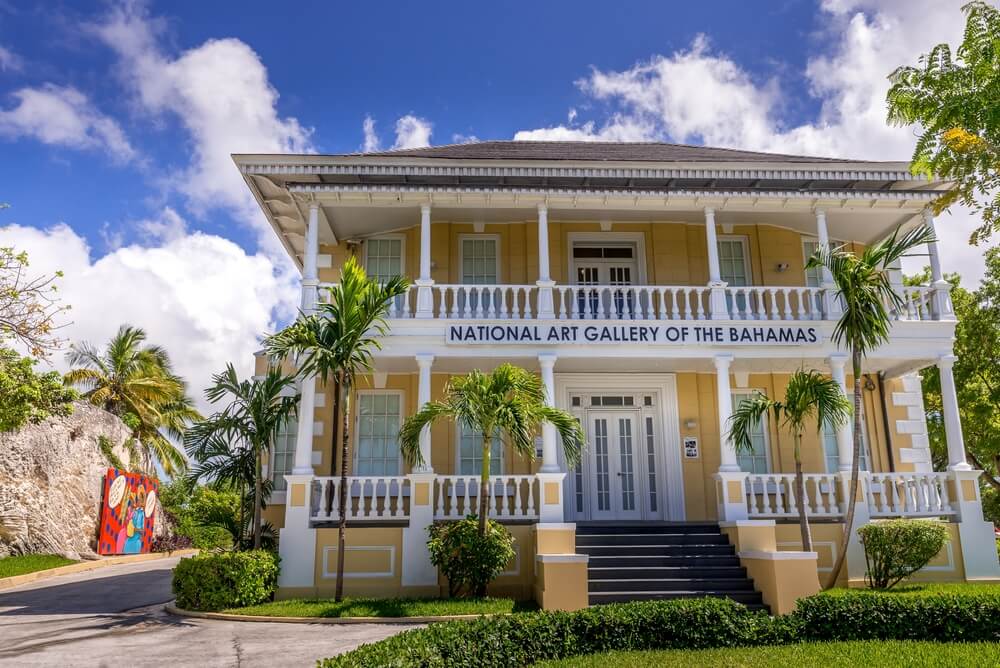
The gallery not only displays works of art but also tells the story of the islands through the eyes of its artists. It is a space where the vibrant colors, textures, and themes of Bahamian life are celebrated, making it a must-visit for those looking to understand the cultural fabric of The Bahamas.
Tracing African Heritage: The Pompey Museum of Slavery & Emancipation
The Pompey Museum of Slavery & Emancipation, housed in the historic Vendue House, is a significant site that delves into the darker chapter of Bahamian history. The museum presents a poignant exploration of the slave trade, the life of slaves in The Bahamas, and the long journey toward emancipation.
The exhibits in the museum include artifacts, documents, and narratives that paint a vivid picture of the struggles and resilience of enslaved Africans. It’s a place of reflection and understanding, highlighting the strength and perseverance of the Bahamian people.
Exploring Lucayan Heritage: The Clifton Heritage National Park
The Clifton Heritage National Park is a natural and historical sanctuary that offers insights into the Lucayan civilization, the original inhabitants of The Bahamas. The park features archaeological sites, including Lucayan artifacts and ceremonial grounds, providing a glimpse into the pre-Columbian Bahamian history of the islands.
In addition to its historical significance, the park boasts stunning natural landscapes, from coastal wetlands to rocky cliffs. Visitors can enjoy guided tours that combine the natural beauty of the park with its rich historical narratives.
The Road to Independence: The Parliament Square
Parliament Square in downtown Nassau, with its distinctive pink colonial buildings, is not just the political heart of The Bahamas but also a symbol of the nation’s journey to independence. The square is home to the House of Assembly, the Senate Building, and the Supreme Court of The Bahamas, all of which have played pivotal roles in shaping the country’s destiny.
Visiting Parliament Square offers insight into the political Bahamian history and democratic processes of the nation. It’s a place where the struggles and triumphs of the Bahamian people in their quest for self-governance are commemorated.
Beyond the Shore: Discovering Bahamian History with Hurricane Hole Superyacht Marina
For guests at Hurricane Hole Superyacht Marina, the richness of Bahamian history is just a short journey away. The marina serves as an ideal base for exploring the historical treasures of Nassau and the surrounding areas. With its convenient location and top-notch facilities, Hurricane Hole Superyacht Marina provides the perfect starting point for guests to immerse themselves in the captivating history of The Bahamas.
Embrace Bahamian History by Booking a Slip at Hurricane Hole Superyacht Marina
Experience the depth and diversity of Bahamian history with a stay at Hurricane Hole Superyacht Marina. Whether you’re a history buff, a cultural enthusiast, or simply curious about the past, our marina is your gateway to exploring the historical sites of The Bahamas. Book a slip today and set sail on a journey through time in one of the most historically rich destinations in the Caribbean.
For more information or to plan your historical exploration from Hurricane Hole Superyacht Marina, the first and only marina provider of in-slip fueling in The Bahamas, visit or call us at 242-603-1950. Discover the stories and heritage of The Bahamas with us.

Frequently Asked Questions
The Bahamas was first settled by the Lucayan people, a branch of the Arawak-speaking Taino culture from South America and the broader Caribbean, who arrived in the archipelago approximately 1,000 years before European contact. The Lucayans lived primarily from fishing, farming, and gathering and had established a network of communities across the islands by the time Christopher Columbus made his first New World landfall at a Bahamian island in 1492. The Spanish subsequently enslaved the entire Lucayan population, transporting them to labor in Hispaniola and Cuba within a few decades of contact, leaving the Bahamas effectively depopulated by the mid-16th century.
Nassau became one of the world's most notorious pirate bases in the early 18th century, known as the Republic of Pirates or the Pirate Republic. Figures including Edward Teach (Blackbeard), Charles Vane, Anne Bonny, and Calico Jack Rackham operated from Nassau during this era, which lasted from approximately 1706 to 1718. The shallow harbour gave small pirate vessels tactical advantage over larger naval ships. British Royal Governor Woodes Rogers arrived in 1718 with a naval force and a Royal Pardon, ending the Pirate Republic and establishing effective colonial government. The Pirates of Nassau Museum, accessible within minutes from Hurricane Hole, presents this history through immersive interactive exhibits.
The Queen's Staircase is a 66-step stone staircase carved out of a limestone cliff face in Nassau, connecting Fort Fincastle on the hilltop with the lower part of the city. The staircase was carved by enslaved workers in the 1790s to provide direct access to the fort, which served as a defensive position overlooking Nassau Harbour. It was later renamed in honor of Queen Victoria. The Queen's Staircase is one of Nassau's most visited historical landmarks and offers views of the city and harbour from the top. It is accessible as a short excursion from Hurricane Hole Superyacht Marina.
Majority Rule Day, observed on January 10, marks the date in 1967 when The Bahamas achieved majority-rule democracy through an election that gave political power to the Black Bahamian majority for the first time. The Progressive Liberal Party, led by Sir Lynden Pindling, won the election, beginning a democratic transition that culminated in full independence from Britain on July 10, 1973. Majority Rule Day is considered one of the three most significant observances in the Bahamian national calendar alongside Emancipation Day and Independence Day, and it is marked by ceremonies, cultural events, and educational programming throughout the country.
Clifton Heritage National Park is a natural and archaeological reserve on the southwestern tip of New Providence, preserving sites connected to the Lucayan, enslaved African, and plantation eras of Bahamian history. Archaeological evidence including Lucayan artifacts and ceremonial structures is found within the park alongside the ruins of a colonial-era plantation. The park also has spectacular coastal scenery including limestone bluffs, tidal pools, and ocean vistas. It is managed by the Bahamas National Trust and is accessible from Nassau and Paradise Island, making it a viable half-day excursion for vessel guests based at Hurricane Hole.
Sir Lynden Pindling was the first Prime Minister of The Bahamas and the father of Bahamian independence. He led the Progressive Liberal Party (PLP) to victory in the 1967 majority rule election and guided the country through independence from Britain in 1973, serving as Prime Minister until 1992. Pindling is the most important political figure in Bahamian history and his legacy is commemorated in the name of Nassau's Lynden Pindling International Airport. His government's social and economic programs fundamentally transformed Bahamian society during a period of major development in tourism, banking, and public infrastructure.
Parliament Square is the governmental heart of Nassau, featuring a cluster of distinctive coral stone pink colonial buildings that house the House of Assembly, the Senate Building, and the Supreme Court. The square was developed in the early 19th century and reflects the Georgian architectural style of British colonial buildings. At the center of the square stands a statue of Queen Victoria, which has presided over the space since 1905. Parliament Square is within walking distance of Bay Street and accessible as a short excursion from Hurricane Hole. It is an active seat of government and a working historical site simultaneously.
The Pompey Museum of Slavery and Emancipation, housed in the historic Vendue House in Nassau, explores the history of the transatlantic slave trade and the lives of enslaved Africans in The Bahamas. The museum is named after a slave who led a resistance movement on Exuma in 1830. Vendue House itself was originally a slave auction house, making the building itself an artifact of the history the museum presents. The museum is a significant cultural institution and provides important context for understanding the African heritage that forms the demographic and cultural foundation of modern Bahamian society.
The American Loyalists were colonists who remained loyal to the British Crown during the American Revolutionary War and were forced to leave the newly independent United States after 1783. Thousands of Loyalists, along with the enslaved people they brought with them, immigrated to The Bahamas, fundamentally transforming the demographic and economic landscape of the islands. The Loyalists established cotton plantations and brought skills, capital, and the institution of slavery to The Bahamas at a scale not previously seen. Their descendants, along with those of the enslaved people who were eventually emancipated in 1834 and freed in 1838, form major components of modern Bahamian society.
The National Art Gallery of The Bahamas is housed in a beautifully restored neoclassical villa in Nassau and presents the most comprehensive collection of Bahamian visual art in the country. The gallery holds works ranging from traditional folk art to contemporary Bahamian painting, sculpture, and mixed media, reflecting the full sweep of cultural and artistic development in the islands. It documents the contribution of Bahamian artists to Caribbean and international art movements and provides a cultural counterpoint to the natural attractions that most visitors prioritize. The gallery is accessible within a short drive from Hurricane Hole and is a recommended half-day cultural excursion for vessels based on Paradise Island.