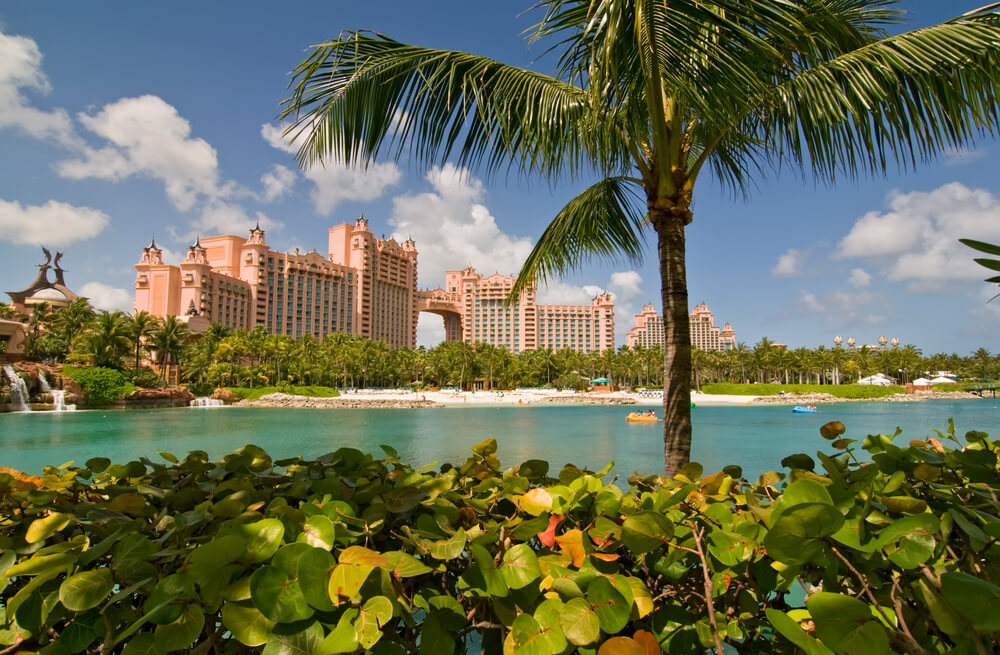
Tucked away in the serene embrace of The Bahamas lies Hurricane Hole Superyacht Marina, a beacon for those who seek not just the thrill of the sea but also the enchantment of the natural world, including Bahamas plants and Bahamas animals. The Bahamas, with its archipelago of over 700 islands and cays, is a vibrant tapestry of life, where the air is as warm as the people and the sea hides wonders beyond imagination. This guide peels back the layers of this lush paradise, revealing the tropical flora and fauna that not only enhance the beauty of the area surrounding Hurricane Hole Superyacht Marina but also contribute to the ecological tapestry that makes The Bahamas uniquely captivating.
Discovering The Bahamas’ Tropical Plants
The flora of The Bahamas is a testament to the island’s vibrant life force. Among the verdant foliage, the Yellow Elder stands out with its trumpet-shaped, bright yellow flowers, earning its place as the national flower due to its beauty and resilience. Similarly, the Silver Palm whispers tales of survival and beauty, thriving in the sandy soils and coastal shores of these islands. Orchids, with their delicate forms and dazzling colors, dapple the landscape, inviting onlookers to marvel at their intricate beauty. Each of these Bahamas plants plays a pivotal role in the local ecosystem, providing food and shelter for numerous creatures and contributing to the complex ecological balance that sustains island life.
The Rich Animal Life of The Bahamas
The Bahamas is a sanctuary for a wide array of animals, each adding to the mosaic of life that flourishes in and around its waters. The Bahama Parrot, with its vibrant green plumage, echoes the essence of the islands’ spirited flora, while the rock iguanas, ancient and wise, bask in the sun, offering a glimpse into a prehistoric world. These creatures, alongside countless others, are the heartbeat of The Bahamas, animating its forests, skies, and shores with their presence. Conservation efforts across the islands aim to protect these species, ensuring that the Bahama Parrot’s call and the iguana’s silent watch continue to be a part of the islands’ legacy. Visitors are invited to witness these Bahamas animals in their natural habitats, embracing the opportunity to be part of their world in a manner that is respectful and mindful of their right to thrive.
Birdwatching Paradise: Avian Species in The Bahamas
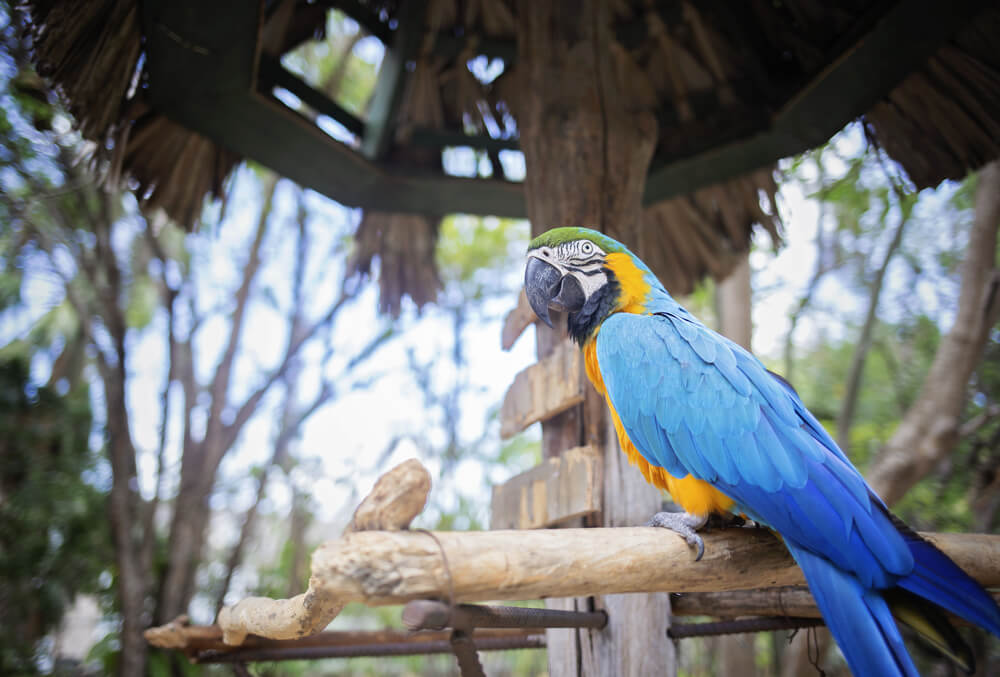
For avid birdwatchers, The Bahamas is nothing short of paradise. The islands serve as a haven for a diverse population of birds, from the striking pink flamingos to the melodious Bahama Mockingbirds and the industrious West Indian Woodpeckers. Each species offers a unique window into the avian world of The Bahamas, enriching the environment with their songs, colors, and behaviors. The best times for Bahamas birdwatching stretch across the seasons, with each period bringing its own set of migratory visitors and resident birds into the spotlight. Near Hurricane Hole Superyacht Marina, enthusiasts can embark on birdwatching expeditions, guided by experts who provide insights into the lives of these feathered inhabitants, ensuring a rewarding experience that highlights the beauty and diversity of Bahamian bird life.
Marine Biodiversity: A Look Beneath the Waves
Beneath the surface of the crystal-clear Bahamas waters lies a world teeming with life. The coral reefs, bustling with activity and beautiful Bahamas animals, serve as the foundation for the marine ecosystem, offering shelter and sustenance to a myriad of creatures. Snorkelers and divers are treated to encounters with sea turtles gliding gracefully through the water, schools of tropical fish darting among the coral, and dolphins that dance on the waves. These experiences offer a glimpse into the vibrant underwater communities that thrive around the coral reefs and blue holes near Hurricane Hole Superyacht Marina, highlighting the importance of these ecosystems not only to marine life but also to the health of the planet.
Exploring The Bahamas’ Ecosystems
The natural beauty of The Bahamas extends beyond its beaches and underwater marvels, encompassing a variety of ecosystems, each supporting unique tropical flora and fauna. The mangrove forests and wetlands are critical to the islands’ health, acting as nurseries for marine life and concentrated areas for Bahamas plants as well as buffers against storm surges. In contrast, the pine forests offer a refuge for terrestrial species and play a key role in maintaining the islands’ biodiversity. Near Hurricane Hole Superyacht Marina, visitors can immerse themselves in these ecosystems, discovering the intricate connections that bind land, sea, and sky. Guided tours and nature trails offer a closer look at the conservation efforts that protect these habitats, fostering a deeper appreciation for the natural wonders of The Bahamas.
Conservation and Sustainability Efforts in The Bahamas
The preservation of The Bahamas’ natural heritage is a collective effort, with national parks, protected areas, and wildlife sanctuaries playing a crucial role in safeguarding its biodiversity and Bahamas animals. Hurricane Hole Superyacht Marina is proud to be part of this conservation mission, promoting sustainable practices and supporting groups like Bahamas National Trust and initiatives that aim to protect the islands’ tropical flora and fauna. By choosing eco-friendly activities, visitors can contribute to the preservation of this paradise, ensuring that The Bahamas’ natural beauty remains intact for future generations to enjoy.
Experiencing Tropical Flora and Fauna at Hurricane Hole Superyacht Marina
Hurricane Hole Superyacht Marina is not just a gateway to the sea; it’s a portal to the extraordinary natural beauty of this nation, including Bahamas plants and Bahamas animals. Guests are encouraged to explore the rich biodiversity of the islands, engaging in activities that highlight the unique tropical flora and fauna. Whether it’s through eco-tours, birdwatching excursions, or simply taking a moment to observe the natural world, the experiences awaiting in close proximity to Hurricane Hole Superyacht Marina promise to deepen your connection to The Bahamas and its vibrant life.
The tropical flora and fauna of The Bahamas are jewels in the crown of this island paradise, enriching its lands and waters with life and color. Hurricane Hole Superyacht Marina stands as a custodian of this natural heritage, inviting people who book our slips to discover, respect, and protect the wonders that make The Bahamas a destination like no other. Embark on an adventure into the heart of The Bahamas’ natural world with the best marina in The Bahamas, Hurricane Hole Superyacht Marina. Contact us online or call 242-603-1950 to book your slip and take the first step toward a journey filled with the beauty and wonder of tropical flora and fauna. Discover more about our commitment to conservation and how you can be part of preserving The Bahamas for generations to come.

Frequently Asked Questions
The Yellow Elder, known scientifically as Tecoma stans, is the national flower of The Bahamas, designated for its beauty, widespread distribution across the islands, and resilience as a native species. The Yellow Elder is a small tree or large shrub that produces clusters of vivid trumpet-shaped yellow flowers that bloom across the island landscape, visible from roadways, gardens, and natural areas throughout the year. Its hardiness in the Caribbean climate and its distinctively cheerful color made it the consensus choice as a national symbol. Visitors to Paradise Island and Nassau will encounter Yellow Elder plantings throughout the landscaped areas of Paradise Landing and the broader island environment.
Mangrove forests are among the most ecologically significant coastal ecosystems in The Bahamas, performing several critical functions simultaneously. They serve as nurseries for the juvenile stages of many commercially important fish and invertebrate species that later populate open reef and deep water environments, including snapper, grouper, lobster, and conch. Their root systems provide shelter from predators that open water cannot. Mangroves also act as physical buffers against storm surge, absorbing wave energy and protecting inland areas during tropical weather events. They sequester carbon at rates significantly higher than terrestrial forests and stabilize shorelines against erosion. The loss of Bahamian mangrove habitat through coastal development has been a persistent conservation concern.
The Bahamas hosts several bird species found nowhere else on Earth, called endemics. The Bahama Woodstar is a tiny hummingbird found throughout the island chain, recognizable by its distinctive gorget and hovering flight. The Bahama Swallow is a fork-tailed swallow restricted to the northern Bahamas and the adjacent Florida Keys during breeding season. The Bahama Parrot, a subspecies of the Cuban Parrot, survives in two isolated Bahamian populations on Great Abaco and Great Inagua, both critically important to conservation efforts. The Bahama Mockingbird is a distinctive large mockingbird separate from the Northern Mockingbird found on the United States mainland. All of these species can be observed on guided naturalist excursions arranged through the Hurricane Hole concierge.
The primary flamingo population in The Bahamas is concentrated on Great Inagua, the southernmost major island in the chain, where the Bahamas National Trust manages the Inagua National Park to protect one of the largest West Indian flamingo colonies in the world. The lake complex at Inagua supports an estimated 50,000 flamingos. Smaller flocks are present on other southern Bahamian islands including Acklins, Crooked Island, and Mayaguana. Occasional flamingo sightings occur on the flats of the central Bahamas including the Exumas. Nassau and Paradise Island do not have resident flamingo populations, but the Bahamian flamingo is a national symbol visible throughout Bahamian art, craft, and cultural imagery.
Snorkeling near Hurricane Hole Superyacht Marina provides encounters with a diverse cross-section of Caribbean marine life in excellent visibility. Commonly observed species include hawksbill sea turtles grazing on sea grass and sponges on reef shallows, nurse sharks resting under coral overhangs, various species of ray including southern stingrays and spotted eagle rays, schools of blue tang, sergeant majors, and various parrotfish on reef faces, angelfish, butterflyfish, and chromis in open water above the reef, and Nassau grouper in deeper reef areas. The Lost Blue Hole site accessible by tender from the marina hosts hammerhead sharks seasonally, providing a remarkable diving experience for those comfortable with larger pelagic species.
Blue holes are underwater caves or sinkholes formed in limestone karst geology, named for the deep blue color of their water visible from the surface. The Bahamas has an extraordinary concentration of blue holes because the Bahamian limestone platform was formed above sea level during previous ice ages and riddled with cave systems by freshwater dissolution, then submerged as sea levels rose. Dean's Blue Hole on Long Island, at over 663 feet deep, is one of the deepest known ocean blue holes in the world. The Lost Blue Hole near Nassau and Paradise Island is the most accessible from Hurricane Hole and is a popular dive destination for marina guests, offering dramatic underwater views into the oceanic abyss.
The Bahamas Iguana, also known as the Northern Bahamas Iguana or Cyclura cychlura, is a large rock iguana native to the Exuma Cays and surrounding islands. It is an endangered species protected by Bahamian law and found primarily on uninhabited cays within and near the Exuma Cays Land and Sea Park. Populations are concentrated on Allan's Cay, the northernmost Exuma cay accessible in approximately 1.5 to 2 hours from Hurricane Hole, where several dozen iguanas are habituated to approaching visitors and come to the beach to be fed. Visitors are strongly encouraged not to feed iguanas grapes or unnatural foods despite the tradition; the park authority recommends vegetable matter aligned with their natural diet.
The Bahamas National Trust (BNT) is the primary conservation organization in The Bahamas, managing the national parks system including the Exuma Cays Land and Sea Park, Inagua National Park, and more than 25 other protected areas covering land and sea throughout the archipelago. The BNT conducts scientific research, manages wildlife populations, develops conservation policy, and educates the public about Bahamian natural heritage. Hurricane Hole Superyacht Marina is a proud institutional supporter of the BNT, reflecting the marina's alignment with conservation values and its recognition that the natural environment that makes The Bahamas extraordinary for yachting depends on ongoing active protection.
Pine forests dominated by Caribbean pine are found primarily on Grand Bahama, Great Abaco, New Providence, and Andros, providing the largest continuous terrestrial habitat in the northern Bahamas. These forests support Bahamian endemic species including the Bahama Parrot on Abaco and the Bahama Oriole, as well as resident and migratory populations of warblers, vireos, and other forest birds. The Primeval Forest National Park on New Providence, approximately 20 minutes from Hurricane Hole Superyacht Marina, preserves a remnant of the original New Providence pine forest and is the most accessible pine forest habitat for marina guests seeking a terrestrial nature experience during their Nassau stay.
Eco-tours accessible from Hurricane Hole Superyacht Marina include guided birdwatching expeditions to Primeval Forest National Park and Nassau's wetland areas, kayak and paddleboard tours through the mangrove creek systems of nearby Rose Island, guided snorkeling tours at reef sites with professional narration of the marine ecosystem, dolphin encounter programs at Atlantis Resort's Dolphin Cay, and extended yacht-based eco-itineraries to the Exuma Cays Land and Sea Park for full-immersion conservation snorkeling, hiking, and wildlife observation. The concierge team at Hurricane Hole books all of these experiences and can tailor them to the specific interests and physical abilities of the guest group.