Experience the Vibrant Junkanoo Parade Near Hurricane Hole Superyacht Marina
Nestled on the picturesque Paradise Island, the Hurricane Hole Superyacht Marina isn’t just a premier destination for luxury yachts; it’s also your gateway to experiencing one of The Bahamas’ most vibrant and culturally significant events — the Junkanoo Parade. This celebration is not just a parade; it’s a profound expression of Bahamian heritage, a symphony of colors, rhythms, and communal spirit, all unfolding mere steps from the marina.
The Colorful World of Junkanoo: A Bahamian Tradition
Junkanoo, a storied festival steeped in Bahamian history, represents the soul of the islands. Dating back to the 17th century, this spectacular event takes place annually on Boxing Day (December 26) and New Year’s Day (January 1). It’s during these times that the streets come alive in the early hours, pulsating with energy and festivity.
The exact origins of Junkanoo are shrouded in mystery, with various theories linking it to African heritage, slave traditions, and even pre-slavery African festivals. Today, Junkanoo stands as a vibrant testament to the resilience, creativity, and enduring spirit of the Bahamian people. Among Bahamas holidays, it is an occasion that brings together communities in a grand celebration of their rich cultural heritage, showcasing handcrafted costumes, spirited music, and energetic dance routines that resonate through the heart of The Bahamas.
The Rhythms and Colors of Junkanoo: What to Expect
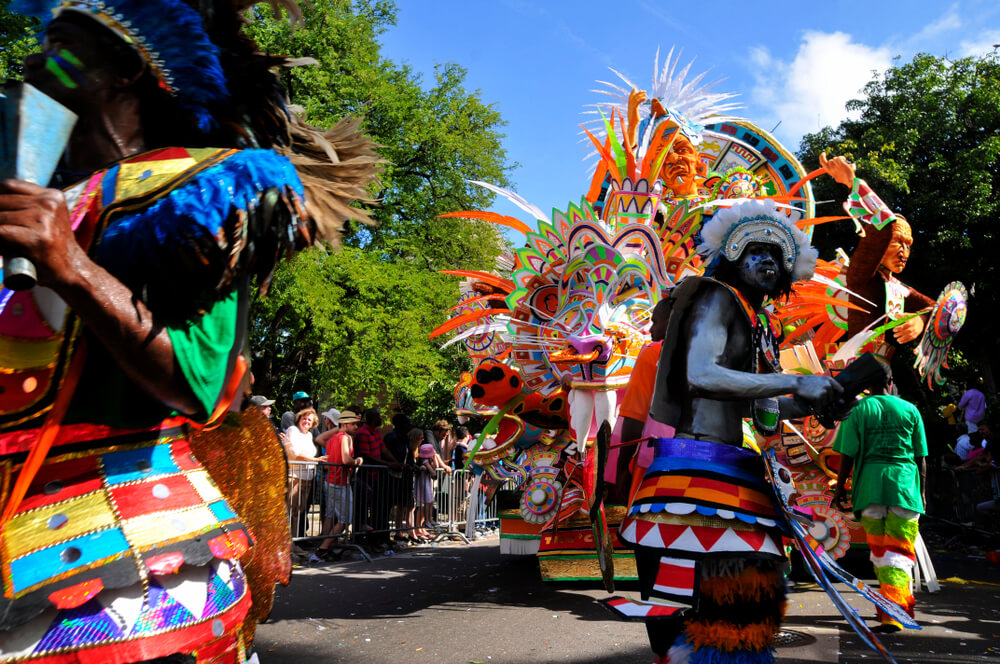
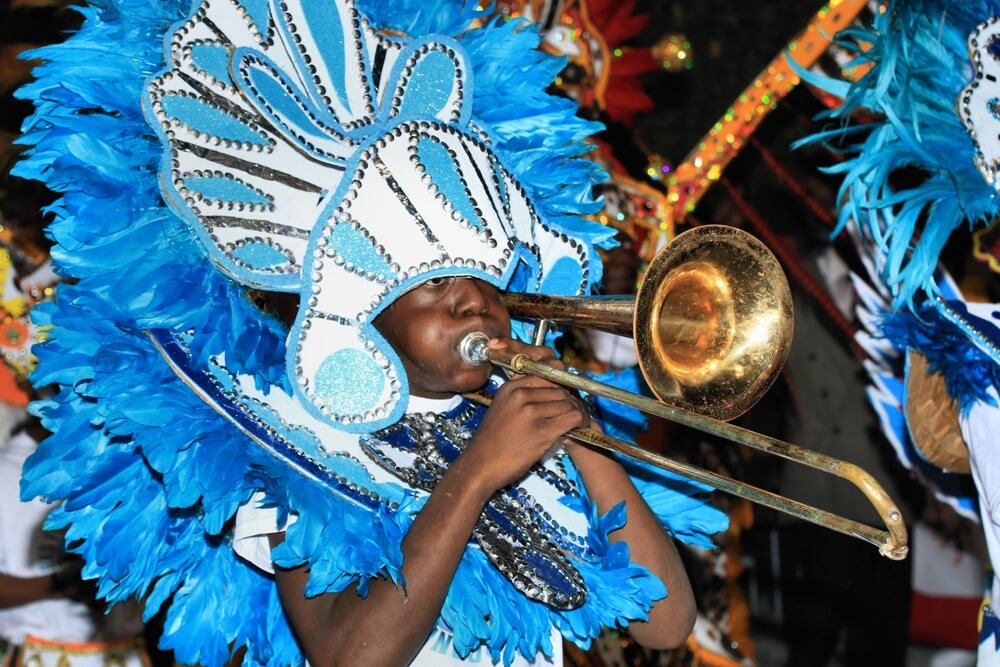
At the heart of the Junkanoo parade is an explosion of color and sound. As the parade begins, the air fills with the rhythmic beats of goat-skin drums, the clanging of cowbells, the shrill of whistles, and the blast of horns — a combination that forms the unique musical backdrop of Junkanoo. This music is more than a mere soundtrack; it’s the lifeblood of the parade, driving the dancers and stirring the souls of onlookers.
The visual spectacle is equally mesmerizing. Performers, donned in elaborate costumes made from crepe paper, and cardboard, and adorned with feathers, beads, and sequins, dance their way through the streets. These costumes, often towering and intricate, are the result of months of dedication and craftsmanship. The parade’s themes are as diverse as the islands themselves, encompassing local folklore, historical events, social commentary, and even global pop culture, all represented through vibrant artistic expression.
Join the Festivities: A Focus on Junkanoo Activities
While Hurricane Hole Superyacht Marina does not organize events for Junkanoo, its prime location on Paradise Island makes it an ideal spot for guests to experience this vibrant cultural extravaganza. For those staying at the marina during the Junkanoo season, the parade offers a unique opportunity to immerse themselves in Bahamian culture.
Visitors can revel in the sights and sounds of the parade from various vantage points around Paradise Island. The festive atmosphere, coupled with the warm Bahamian hospitality, makes the experience unforgettable. Guests can also venture into local markets and workshops where Junkanoo costumes and instruments are made, offering a deeper insight into the artistry behind the parade.
Exploring Junkanoo’s Musical and Artistic Roots
Delving deeper into Junkanoo, one finds a rich tapestry of music and art. The music of Junkanoo, characterized by its rhythmic percussion and vibrant brass, has its roots in African musical traditions, infused with a distinct Caribbean flair. Similarly, the artistry seen in Junkanoo costumes and floats draws from a myriad of influences, blending traditional African art with modern and local Bahamian elements.
For those interested in understanding more about these artistic and musical aspects, local cultural centers and museums around Paradise Island provide valuable insights. These institutions often have exhibitions and interactive displays dedicated to Junkanoo, allowing visitors to appreciate the depth and breadth of this cultural phenomenon.
Planning Your Visit: Junkanoo Parade Dates and Tips
To ensure you don’t miss this spectacular event, planning your visit around the Junkanoo parade is crucial. The main parades traditionally take place on Boxing Day and New Year’s Day, starting in the early hours and continuing until dawn. Smaller Junkanoo parades and related festivities can also be found at other times throughout the year, particularly in the summer months.
Guests planning to experience Junkanoo should consider booking their stay at Hurricane Hole Superyacht Marina in advance, as these dates are highly popular. It’s also advisable to prepare for large crowds and embrace the lively spirit of the event. Comfortable attire and a camera are must-haves to capture the unforgettable moments of Junkanoo.
Beyond the Parade: Exploring Bahamian Culture on Paradise Island
The cultural journey doesn’t end with the Junkanoo parade. Paradise Island and its surroundings offer a wealth of cultural experiences. From art galleries featuring local artists’ work to historical landmarks that tell the tales of The Bahamas’ past, there’s much to explore. Additionally, the island’s culinary scene offers a chance to taste traditional Bahamian dishes, providing another dimension to understanding the local culture.
Make Hurricane Hole Your Home Port in The Bahamas
For those who wish to immerse themselves in the vibrant Bahamian culture while enjoying unparalleled luxury, Hurricane Hole Superyacht Marina is the ideal destination. Our state-of-the-art facilities and prime location provide the perfect base from which to experience the Junkanoo parade and explore the rich cultural tapestry of The Bahamas.
At Hurricane Hole, we pride ourselves on offering more than just a marina; we provide a gateway to a unique cultural experience. Our guests are not just visitors; they become part of a community that celebrates the spirit and heritage of The Bahamas.
For more information about experiencing Junkanoo and enjoying the best of Bahamian luxury at Hurricane Hole Superyacht Marina, contact us at 242-603-1950 or visit our website at www.hurricaneholemarina.com. Here, every stay is an opportunity to delve into luxury, culture, and the finest marina services in The Bahamas.