Government plans to make big changes to The Bahamas’ boat tax and registration fees could add up to a big positive impact on pleasure vessels and the entire yachting industry in the country.
The Prime Minister and Minister of Finance, Philip ‘Brave’ Davis said the Bahamian government will eliminate duty and value-added tax on boat purchases. Instead, a new fee schedule for registration will be rolled out in an attempt to get more boats to register in the country.
According to Davis, the current system’s duty and VAT rate is “too onerous” compared to the costs of registering a vessel in other nations, such as the United States, Jamaica, and the Cayman Islands. Because of this problem, boat owners now often avoid registering in The Bahamas entirely by paying a $1,000 cruising permit instead, he said.
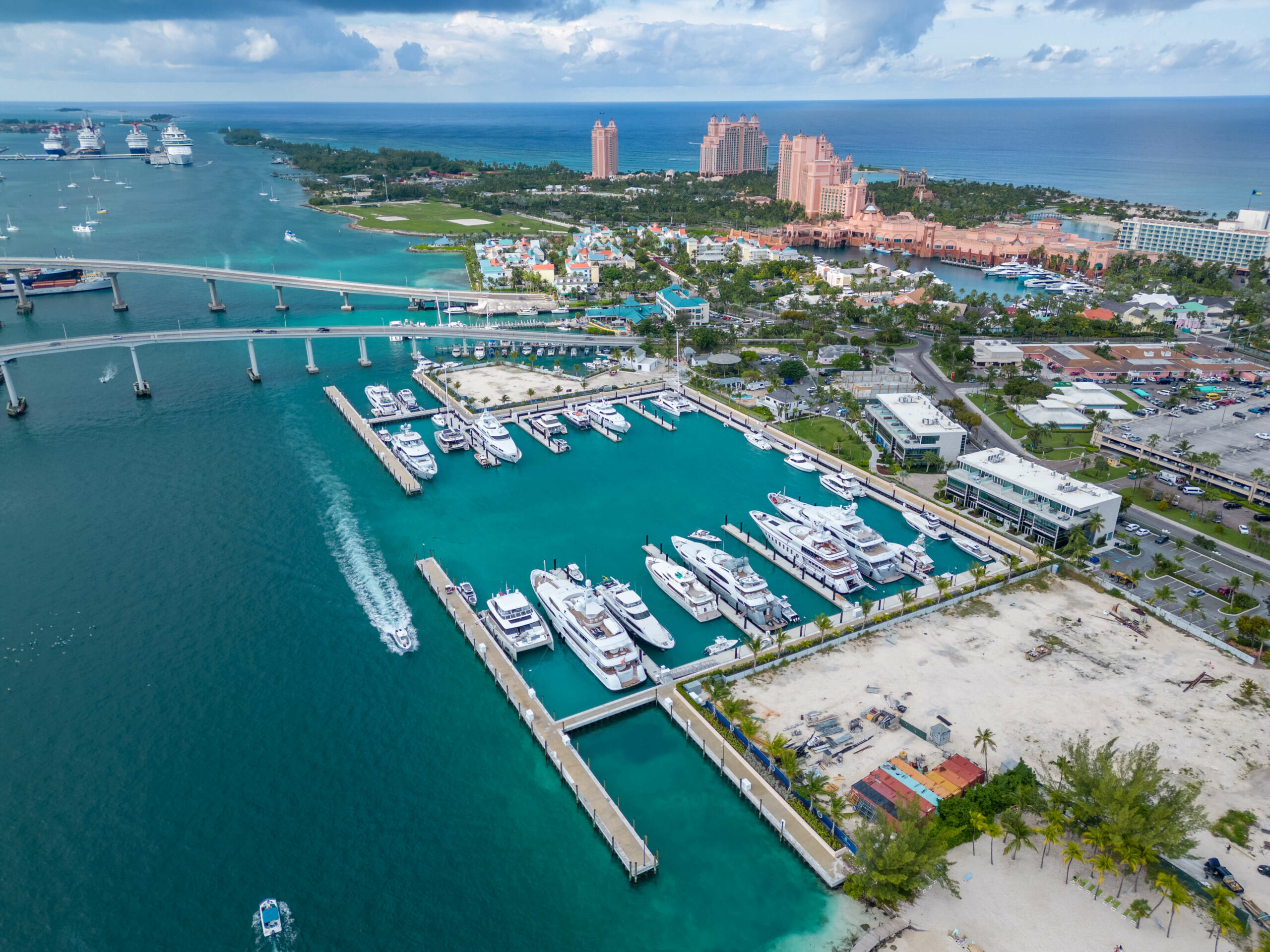
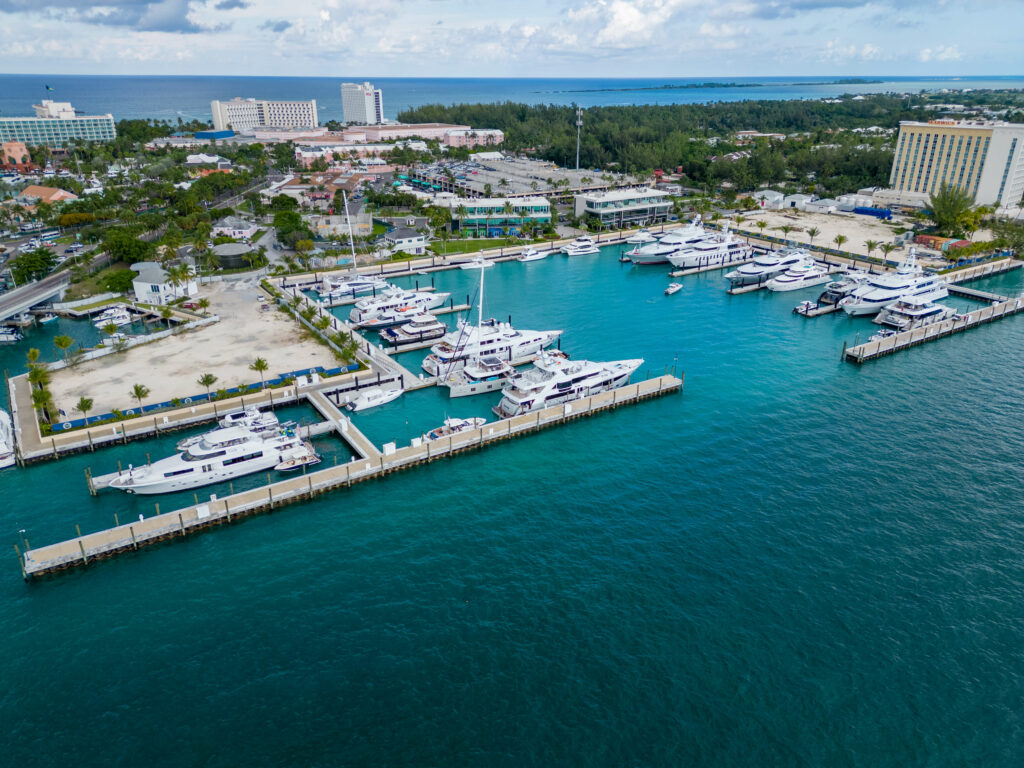
This change could be another positive thing for the yachting industry in The Bahamas, which already boasts a great climate year-round and some of the best deep-water marinas in the world, including Hurricane Hole Superyacht Marina on Paradise Island.
Under the proposed changes, annual costs for boat inspections and master license fees would increase, and annual boat registration fees would go up by 20%. The fee to transfer registration would also increase, up to $100 from the current $10.
It amounts to a net win for the yachting industry in the country because it could make The Bahamas even more enticing for boat owners.
The current system for pleasure boat purchases imposes a duty rate and VAT that are each 10% of the value of the vessel, which can quickly become an imposing tax liability of hundreds of thousands of dollars for a yacht or superyacht that could easily be valued at more than $1 million.
Instead, annual boat registration fees would be raised 20% over current amounts. For example, a boat between 25 and 50 feet would have a fee of $120 per foot, as compared to $100 currently. Boats more than 100 feet would face an annual fee of $480 per foot, while the current rate is $400.
While registration fees will go up, the VAT and duty on purchases will be eliminated, offsetting the increases. The goal, according to Davis, is to encourage domestic registration of pleasure vessels.
He said a maritime revenue task force is being established to bring in more money through new policies that encourage compliance and updating penalties for noncompliance, among other changes.
Read The Tribune to learn more about these exciting proposed changes for boat and yacht owners in The Bahamas.
Frequently Asked Questions
The Bahamian government, under Prime Minister Philip 'Brave' Davis, proposed eliminating both the 10 percent import duty and the 10 percent VAT currently applied to the purchase price of new pleasure vessels registered in The Bahamas. Under the existing structure, these two taxes together represent a 20 percent tax liability on vessel value, which can amount to hundreds of thousands of dollars on a yacht or superyacht priced over a million dollars. The proposed change would eliminate both charges, with offsetting increases in annual boat inspection and license fees, registration fees (up 20 percent), and a higher fee for registration transfers.
The stated goal of the proposed policy change is to encourage domestic registration of pleasure vessels in The Bahamas rather than having yacht owners register their vessels under foreign flags to avoid the tax liability. A maritime revenue task force was announced as part of the policy initiative, with a mandate to develop complementary policies encouraging compliance and updating penalties for noncompliance. By removing the primary barrier to Bahamian registration, the government aims to capture the economic activity, fees, and commercial relationships associated with vessels that operate primarily in Bahamian waters.
Under the system in effect at the time of the proposed change, a yacht purchased in The Bahamas faces a 10 percent import duty on vessel value plus a 10 percent VAT, creating a combined 20 percent tax on the purchase price. Annual costs include a boat inspection fee, master license fees, and registration fees that would increase under the proposed reforms. The country imposes no personal income tax, capital gains tax, wealth tax, or inheritance tax, making these maritime-specific charges the primary tax considerations for vessel owners operating in the archipelago.
A Bahamian cruising permit is a document issued by Bahamian Customs and Immigration that authorizes a foreign-registered vessel to operate in Bahamian territorial waters for a defined period. The permit is obtained during the vessel's arrival clearance process, which can be completed at any approved Port of Entry including Hurricane Hole Superyacht Marina. The permit must be carried on board and displayed and covers the vessel throughout the permitted cruise period. All foreign pleasure vessels operating in The Bahamas are legally required to hold a valid cruising permit. The process is handled through the Bahamas Customs Click2Clear digital system.
Click2Clear is the Bahamian Customs digital submission system through which arriving pleasure vessels can pre-clear customs and immigration before or upon arrival. The system allows captains to submit vessel and passenger documentation electronically, reducing the paperwork burden at the physical clearance point. Hurricane Hole Superyacht Marina, as an approved Port of Entry, facilitates Click2Clear clearance on-site, with Customs and Immigration officials processing arriving vessels directly at the marina. Captains can access Click2Clear through the Bahamas Customs website, and the marina team can provide guidance on the process.
Under the proposed reform accompanying the duty and VAT elimination, annual boat registration fees would increase by 20 percent, the transfer registration fee would rise from $10 to $100, and annual boat inspection and master license fees would also increase. These increases represent the offsetting revenue mechanism designed to compensate for the elimination of the larger purchase-time duty and VAT obligations. The net effect for owners who purchase and hold a vessel long-term is expected to be positive, as the purchase-time savings would substantially exceed the annual fee increases over any reasonable holding period.
The proposed boat duty and VAT changes align with The Bahamas' broader strategy of attracting high-net-worth investment and residency through a favorable tax environment. The country already imposes no personal income tax, no capital gains tax, and no wealth or inheritance taxes. The duty and VAT structure on vessels has been the one area where the tax environment for the yachting industry has been less competitive relative to competing jurisdictions. Removing this barrier while increasing recurring fees emphasizes the country's commitment to becoming more attractive to vessel owners seeking to base their assets in the Bahamian registry.
The maritime revenue task force announced as part of the proposed policy changes is a governmental body charged with developing comprehensive maritime policy reforms aimed at increasing revenue compliance, updating penalty structures for non-compliance, and encouraging domestic vessel registration. The task force's work goes beyond the duty and VAT change itself, addressing the broader framework for maritime taxation and enforcement in The Bahamas. Its establishment signals that the government views maritime policy as a meaningful economic lever given the country's position as a premier international yachting destination.
The Bahamas is a signatory to major international maritime conventions, including SOLAS (Safety of Life at Sea) and MARPOL (the International Convention for the Prevention of Pollution from Ships), and its vessels flying the Bahamian flag are subject to these international standards. The Bahamas Maritime Authority (BMA) administers vessel registration and enforces maritime regulations for Bahamian-flagged vessels. The Bahamian flag is widely recognized in international shipping and is also used by commercial and private vessels, making it a credible registry for owners considering Bahamian registration as part of the revised duty and fee structure.
Yacht owners and captains monitoring Bahamian maritime policy changes can follow official communications from the Bahamas Maritime Authority (BMA), the Association of Bahamas Marinas (ABM), and Bahamian national press including The Tribune and The Nassau Guardian, which both covered the proposed duty and VAT changes extensively. The Hurricane Hole Superyacht Marina team maintains current knowledge of policy developments affecting visiting and resident vessels, and the concierge and sales teams can provide up-to-date guidance on registration, customs, and permit requirements for vessels based at the marina or considering a slip purchase.